Style Reboot: Outfit Energy Shifts That Change Your Whole Look
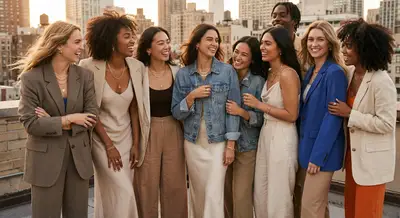
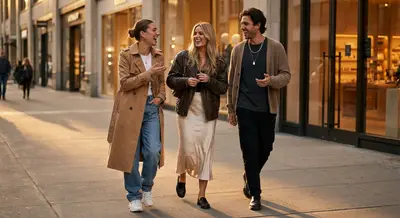
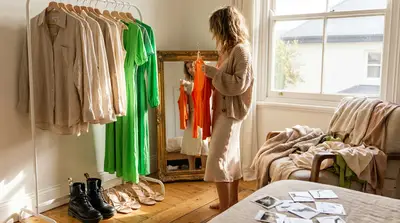
Style isn’t about buying a new wardrobe every season—it’s about changing your energy. The right outfit can make you walk differently, talk differently, and show up like the main character in your own life. This isn’t another “wear this, not that” list. Think of it as your style reset: fresh outfit ideas, smart layering moves, and current trends you can actually live in—not just save to Pinterest.
Building a Modern Base: The New Everyday Uniform
The most stylish people don’t wake up and reinvent themselves daily—they refine a uniform and remix it. Your base pieces are the quiet heroes that make every outfit look intentional instead of random.
Start by upgrading your foundations: a pair of trousers that fit your waist properly, a simple tank or tee that skims (not suffocates) your body, and one jacket that instantly sharpens anything underneath. Right now, relaxed tailored pants, column skirts, and slightly oversize button-downs are doing the heavy lifting in modern wardrobes. They look just as good with sneakers as they do with heels.
Aim for a mix of structure and ease. For example: a loose button-down, wide-leg pants, and a fitted tank peeking underneath. This creates balance and shape without trying too hard. Neutrals are your best friend here—black, cream, gray, navy—but add one statement tone (like rust, olive, or ice blue) that can appear in multiple outfits.
Once your base is set, everything else becomes play. Your “boring” tee-and-jeans look can transform with a sharp blazer, a cool belt, and a swap from chunky sneakers to sleek loafers. The trick isn’t owning more clothes; it’s choosing pieces with clean lines and modern proportions that work on repeat.
The Power Move: Switching Up Proportions
If your outfits feel flat, the problem usually isn’t color—it’s proportion. Playing with volume is the fastest way to make your look feel fashion-forward without going full runway.
Pair something fitted with something relaxed: slim top + wide-leg bottom, or boxy sweater + sleek skirt. Oversized everything can swallow your frame, while tight everything can feel dated. The most current outfits sit in the tension between the two.
Try this formula: a cropped (or just slightly shorter) jacket over high-waisted trousers or a long skirt. This instantly lengthens your legs and defines your shape, no matter your height. If you’re wearing a big, slouchy knit, anchor it with a structured bottom like a tailored mini, straight-leg jeans, or a pencil-ish midi.
Length matters too. Midi and maxi lengths are still dominating, but the 2025 twist is contrast: a long skirt with a slightly shrunken cardigan, or knee-length shorts with a long trench. Think of it as visual rhythm—your outfit should have “beats” where the eye naturally stops: the waist, the hem, the neckline.
When in doubt, take one piece you love and exaggerate its role. Go for extra-wide trousers with a sleek bodysuit and sharp earrings, or a dramatic long coat over the simplest jeans-and-tee combo. Suddenly, your basics look editorial.
Color Stories: Dressing for Mood, Not Just Matching
Color is one of the easiest ways to rebrand your style without spending much—and it doesn’t have to mean loud. The most current color approach is intentional contrast: soft with sharp, warm with cool, muted with rich.
Start by choosing your mood. Want to look expensive and calm? Build an outfit in one color family—cream, beige, taupe, or gray—and play with depth. Light oatmeal trousers, an off-white tank, and a camel coat feel elevated without screaming for attention.
Feeling bold? Try a single pop color in an otherwise neutral outfit: a cherry red bag with a black-and-denim base, cobalt shoes with white and gray, or a rich green knit over beige trousers. This reads less “trying too hard” and more “I know exactly what I’m doing.”
You can also use color to shape your silhouette. Darker shades where you want subtlety, lighter or brighter where you want focus. A black trouser with a soft blue shirt draws the eye upward; a white skirt with a black top flips the focus to your legs.
Current color trends worth experimenting with:
- Deep reds and wine tones with black or charcoal
- Cool blues paired with brown or tan instead of black
- Soft pastels (lavender, powder blue, butter yellow) anchored with gray or navy
- Rich earth tones—rust, olive, chocolate—styled like neutrals
The key: repeat one color at least twice in your outfit (bag and shoes, top and print detail, coat and accessory). It makes your look feel intentional and visually satisfying.
Layering That Looks Luxe, Not Bulky
Layering is where outfits either look expensive or chaotic. The goal is depth, not bulk—curated layers that add interest when you move, sit, or take off a jacket.
Think in thin-to-thick order: start with a fitted base (tank, tee, lightweight turtleneck), add a mid-layer (shirt, cardigan, vest), finish with a structured outer layer (trench, blazer, leather or tailored coat). Each layer should be able to shine on its own if you remove one piece.
A few layering ideas that feel very now:
- A crisp button-down open over a sleek tank, topped with a trench or blazer
- A sleeveless dress layered over a fitted long-sleeve top, paired with chunky boots
- A fine-knit turtleneck under a blazer instead of a shirt for a cleaner, modern line
- A vest (knit or tailored) over a shirt with relaxed trousers for that “quiet luxury” vibe
Play with textures: satin with wool, denim with cashmere, cotton with leather. This creates richness without needing wild prints. And don’t ignore the “negative space”—let cuffs show, leave a bit of shirt visible at the hem, pop a collar over a coat. These tiny details are what make your outfit look styled, not thrown on.
If you tend to overheat or commute a lot, choose one hero layer—like a long coat or leather jacket—and keep what’s underneath streamlined. That way, you can shed layers without losing the outfit’s impact.
Day-to-Night Switching Without a Full Outfit Change
Most people don’t have time for a full wardrobe reset between daytime errands and evening plans. The secret is building outfits that transform with minimal swaps.
Start with a strong base: think tailored pants and a tank, a simple knit dress, or jeans with a sleek bodysuit. Then choose day-friendly pieces—clean sneakers, a tote, a relaxed cardigan or bomber. This is your “functional” version.
To shift into night mode, change three things:
- Shoes: sneakers or flats to a sleek heel, heeled boot, or polished loafer.
- Bag: tote or backpack to a shoulder bag, mini bag, or clutch.
- Layer or accessory: cardigan to a blazer, denim jacket to leather, or add bold jewelry.
For example: black wide-leg trousers + white tank + gray cardigan + sneakers for day. For night, swap sneakers for heeled sandals or boots, cardigan for a fitted blazer or leather jacket, add a structured bag and a strong earring. The base doesn’t move, but the energy shifts entirely.
If your lifestyle includes a lot of quick transitions—work to drinks, brunch to event—choose fabrics that can handle it: crease-resistant trousers, knits that keep their shape, and darker tones that look intentional even later in the day.
Outfit Inspiration: Core Aesthetic Vibes to Try
Instead of chasing every trend, choose a “vibe lane” that feels like you, then pull in current details. Here are a few aesthetics you can experiment with and personalize:
1. Clean City Minimalist
Think: sharp lines, neutral palette, quiet drama.
Try: black straight-leg trousers, a white tank, gray oversized blazer, sleek sneakers or loafers, structured shoulder bag. Add a slim silver watch and small hoops. This look lives anywhere: office, coffee, casual dinner.
2. Soft Academic Energy
Think: preppy, romantic, slightly studious.
Try: pleated or A-line midi skirt, fine-knit sweater or vest over a shirt, socks and loafers or Mary Janes, trench coat layered on top. Play with navy, camel, cream, and one accent like burgundy or forest green.
3. Elevated Casual Street
Think: comfortable but curated—off-duty model energy.
Try: baggy jeans, fitted baby tee or tank, bomber or leather jacket, chunky sneakers, baseball cap or sleek sunglasses. Keep the colors simple—denim, white, black, and one subtle highlight.
4. Modern Femme Power
Think: strong silhouettes, soft details.
Try: a body-skimming midi dress (knit or jersey), tailored coat, boots or heels, minimal jewelry with one standout piece (like a bold ring or sculptural earring). Add a bold lip or slicked-back hair for impact.
Use these as starting points, not rules. Mix lanes: streetwear sneakers with a soft academic skirt, or a minimalist blazer over a modern femme dress. The best outfits feel like a mashup of your different moods, not a costume for just one.
Dressing With Intention: Trends You Can Actually Live In
Trends are most powerful when they support your life, not complicate it. Instead of asking “Is this in or out?” ask: “Does this help how I move through my day?”
Some current directions that translate easily into real outfits:
- Relaxed tailoring: blazers, trousers, and vests in softer fits you can actually breathe in. Great for work, dinners, and even weekends.
- Quiet luxury basics: higher-quality knits, better-fabric tees, and well-cut pants that make even simple looks feel elevated.
- Sensible-but-stylish shoes: loafers, chic sneakers, mid-heel boots, and kitten heels that don’t ruin your feet but still look polished.
- Statement outerwear: one great trench, leather jacket, or long wool coat that makes anything underneath feel put together.
The more your wardrobe is built around pieces that layer and remix well, the less you’ll feel pressure to constantly buy into micro-trends. Let yourself experiment with one or two trend-driven pieces each season—maybe a color, a bag shape, or a shoe style—while your base stays consistent.
Your outfits should support your confidence, your calendar, and your comfort. When those three align, the trend box usually checks itself.
Conclusion
Your style doesn’t need to be louder—it needs to be clearer. When you focus on better foundations, smarter proportions, intentional color, and a couple of strong layers, your outfits stop feeling like guesswork and start feeling like a signature.
You don’t have to own “perfect” pieces to look put together. You just need a point of view, and the willingness to tweak what you already wear: cuff a sleeve, switch a shoe, balance a silhouette, repeat a color. That’s where real style lives—in the small decisions that turn clothes into an identity.
Treat every outfit as a chance to shift your energy a little closer to the person you’re becoming. The closet you have right now is more powerful than you think—you’re just one styling choice away from unlocking it.
Sources
- Vogue – The Modern Wardrobe: Why a Uniform Approach Works – Insights on building a versatile, chic wardrobe and the power of a personal uniform
- Harper’s Bazaar – The Biggest Fashion Trends to Know – Ongoing coverage of current runway and street style trends that influence everyday outfits
- Business of Fashion – The Rise of Quiet Luxury – Analysis of the “quiet luxury” movement and its impact on tailoring, basics, and styling
- The New York Times – Fashion’s New Silhouette – Discussion of shifting proportions, especially the dominance of wide-leg pants and relaxed fits
- Fashion Institute of Technology (FIT) – Fashion History Timeline – Context on how silhouettes, layering, and proportions evolve over time and influence modern styling